Unlock the Secrets to Perfect Chocolate: Melting & Tempering for Divine Desserts
Few ingredients hold the power to captivate and delight quite like chocolate. Its rich aroma, silky texture, and unparalleled flavor make it the cornerstone of countless indulgent treats. If you're searching for new
dessert recipes to satisfy your sweet tooth, mastering chocolate is your golden ticket to a world of culinary possibilities. From fudgy brownies and luxurious ganaches to elegant truffles and show-stopping cakes, understanding a few fundamental techniques will transform your baking from good to truly extraordinary. This guide will walk you through the essential art of melting and tempering chocolate, ensuring every bite of your homemade creations is pure bliss.
The Irresistible Allure of Chocolate in Dessert Recipes
Chocolate isn't just an ingredient; it's an experience. The sheer variety available — dark, milk, white, blonde, and even pure cocoa powder — offers an incredible spectrum of flavors and applications. Some might advocate for "less is more," but when it comes to chocolate in our favorite
dessert recipes to satisfy your sweet tooth, we often find that "more is more" rings true! Each type brings its unique character: dark chocolate offers intense, complex notes; milk chocolate provides a creamy, sweet comfort; white chocolate contributes a delicate, vanilla-kissed richness; and blonde chocolate, with its caramelized notes, adds an intriguing depth.
The magic truly begins when you learn to handle chocolate properly. Knowing how to melt it without it seizing into a grainy mess, and how to temper it for that coveted glossy sheen and satisfying snap, are game-changers. These skills open the door to creating everything from smooth ganache for decadent cakes and truffles, to beautifully coated confections and the fudgiest pies and cookies imaginable. Imagine effortlessly crafting an Ultimate Flourless Chocolate Cake, so rich and fudgy it’s the very definition of decadence, or a Best Chocolate Mousse that is light-and-airy yet silky-and-smooth, transporting you to a four-star French restaurant with every spoonful. Mastering these basics is the first step to unlocking your inner chocolatier.
The Art of Melting Chocolate Without Seizing
Melting chocolate seems simple, but it's where many aspiring bakers encounter their first hurdle: seizing. Seized chocolate becomes stiff, crumbly, and unworkable, a tragic waste of good cocoa. This often happens when chocolate comes into contact with even a tiny amount of water or is exposed to too much direct heat. The key to perfectly melted chocolate is gentle, consistent heat and a watchful eye.
Here are the most reliable methods:
*
The Double Boiler Method: This is arguably the safest and most recommended method for melting chocolate.
*
Setup: Fill a saucepan with about an inch or two of water and bring it to a simmer over medium-low heat. Place a heatproof bowl (glass or stainless steel is ideal) over the saucepan, ensuring the bottom of the bowl does not touch the simmering water.
*
Process: Add your finely chopped chocolate to the bowl. The steam from the simmering water will gently and indirectly melt the chocolate. Stir occasionally with a clean, dry spatula until the chocolate is smooth and glossy. Remove from heat as soon as it's fully melted, as residual heat will continue the process.
*
Tip: Ensure no steam or water splashes into the chocolate, as this is the primary cause of seizing. Keep your utensils completely dry.
*
The Microwave Method: A quicker alternative, but requires more vigilance.
*
Setup: Place finely chopped chocolate in a microwave-safe bowl.
*
Process: Microwave on 50% power for 30-second intervals. After each interval, remove the bowl and stir the chocolate thoroughly, even if it doesn't look melted. The heat distributes unevenly in a microwave, and stirring helps even it out and prevents scorching. Continue until the chocolate is mostly melted, then stir until completely smooth.
*
Tip: Chocolate retains its shape even when melted. Don't wait for it to look fully liquid before stirring. Overheating in the microwave is a common mistake and leads to scorched, bitter chocolate.
Always use a clean, dry bowl and utensils. Any moisture can cause your chocolate to seize instantly. Finely chopping your chocolate ensures more even and quicker melting.
Unlocking Gloss and Snap: Mastering Tempering
While melting chocolate correctly ensures a smooth consistency, tempering takes your chocolate work to the next level. Tempering is the process of precisely heating and cooling chocolate to stabilize its cocoa butter crystals. Untempered chocolate, once cooled, often looks dull, streaky (this is called "bloom"), and lacks a firm snap, especially when used for coatings or molded shapes. Tempered chocolate, however, boasts a beautiful shine, a crisp snap when broken, and a smooth, stable texture resistant to melting at room temperature. This is essential for professional-looking truffles, dipped fruits, chocolate bars, and decorative elements in any *dessert recipe to satisfy your sweet tooth*.
Here's a simplified explanation of the "seeding" method, ideal for home bakers:
1.
Melt: Start by melting about two-thirds of your finely chopped chocolate using the double boiler or microwave method, as described above. Heat dark chocolate to 115-120°F (46-49°C), milk chocolate to 110-115°F (43-46°C), and white/blonde chocolate to 105-110°F (40-43°C). Use a reliable thermometer.
2.
Cool & Seed: Remove the bowl from the heat (or microwave). Immediately add the remaining one-third of your finely chopped, unmelted "seed" chocolate to the melted chocolate. Stir continuously. The goal is for the cool seed chocolate to melt into the hot chocolate, gradually lowering its temperature and introducing stable cocoa butter crystals.
3.
Work Temperature: Continue stirring until the chocolate reaches its "working temperature." For dark chocolate, this is typically 88-91°F (31-33°C); for milk chocolate, 86-88°F (30-31°C); and for white/blonde chocolate, 82-84°F (28-29°C). At this stage, the chocolate should be smooth, slightly thickened, and ready to use.
4.
Test: Dip the tip of a knife or a piece of parchment paper into the tempered chocolate. It should set quickly (within 3-5 minutes) with a glossy finish and no streaks. If it doesn't, you may need to adjust the temperature slightly by adding more seed chocolate or gently reheating for a few seconds.
Patience and a good digital thermometer are your best friends when tempering. Consistent stirring helps distribute the heat and crystals evenly, ensuring a perfectly stable chocolate.
Beyond the Basics: Irresistible Chocolate Creations
With melting and tempering skills under your belt, the world of chocolate *dessert recipes to satisfy your sweet tooth* opens wide. You’ll be able to tackle creations that once seemed daunting, elevating your baking with professional polish.
*
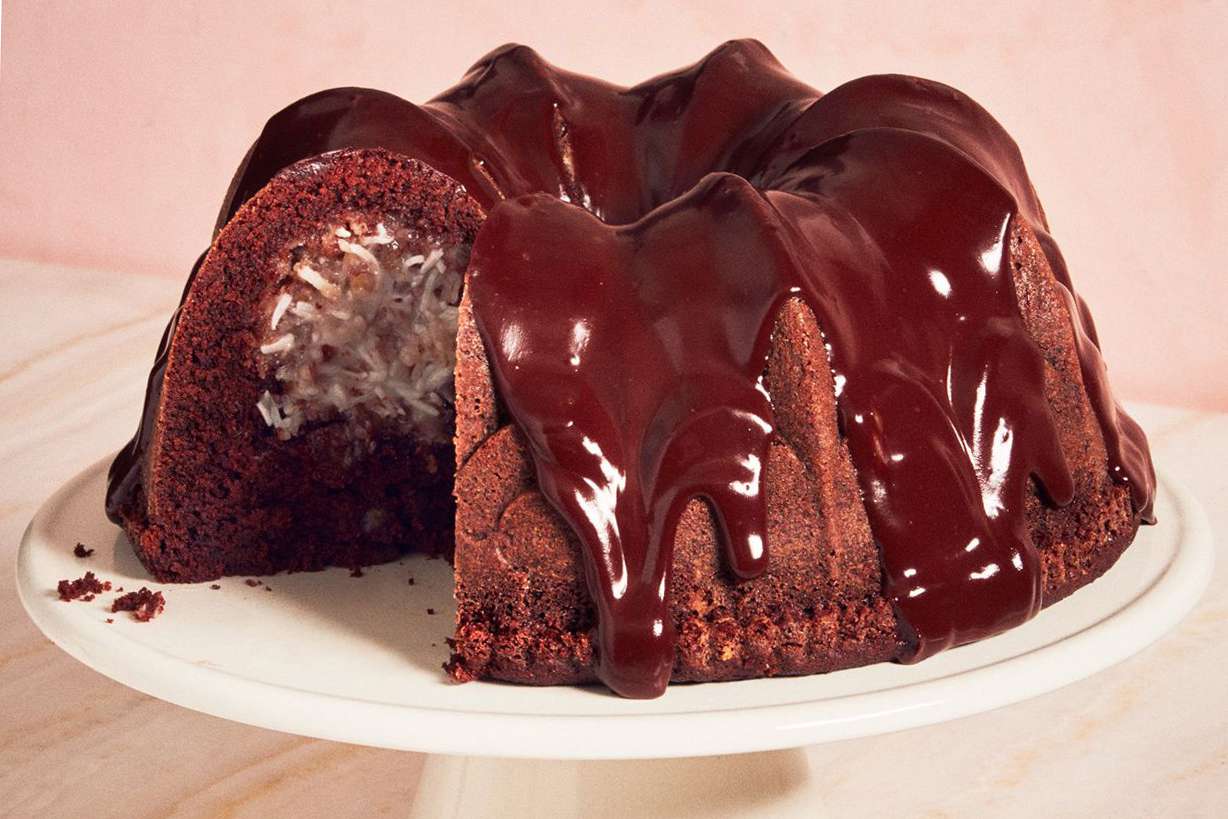
Perfect Ganache: A smoothly melted chocolate is crucial for a luscious ganache, whether you're using it as a glaze for a rich Chocolate Pound Cake, a filling for elegant truffles, or the base for the silky layer in inventive Chocolate Lemon Bars. A well-tempered chocolate can even be used to create decorative elements atop your ganache.
*
Decadent Baked Goods: Think of the rich, fudgy filling of an Ultimate Flourless Chocolate Cake, which requires perfectly melted dark chocolate to achieve its signature dense, moist texture. Or imagine a Giant Chocolate-Peanut Butter Cookie Cake, where layers of soft, double-chocolate cookies are sandwiched with creamy peanut butter frosting – the quality of the melted chocolate in the cookies makes all the difference.
*
Light & Luxurious: The Best Chocolate Mousse, with its signature light-and-airy yet silky-and-smooth texture, relies on flawlessly melted chocolate being carefully folded in. For impressive treats like Chocolate Panna Cotta in Orange Cups, smooth chocolate is paramount for achieving that elegant, wobbly texture.
*
Homemade Frozen Treats: Even something as comforting as Cherry Chocolate Ice Cream tastes infinitely better when the chocolate is melted expertly and incorporated without seizing, creating a smooth, rich base for the fresh cherries.
For even more delightful ideas that are sure to
satisfy your sweet tooth today, explore our full collection. If you're craving more specific inspiration for
decadent chocolate treats, from mousse to flourless cake, we have you covered with an array of choices that will surely inspire your next baking adventure.
Conclusion
Mastering the art of melting and tempering chocolate is a game-changer for any home baker passionate about creating incredible treats. These foundational techniques are not just about precision; they're about respect for an ingredient that brings so much joy. By taking the time to understand and practice gentle melting and careful tempering, you'll unlock a new level of quality, presentation, and flavor in your chocolate creations. So grab your favorite chocolate, a good thermometer, and get ready to impress yourself and everyone lucky enough to try your exquisite homemade
dessert recipes to satisfy your sweet tooth. Happy baking!